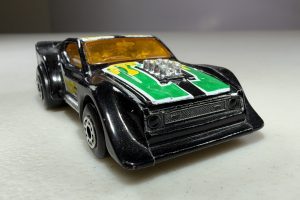
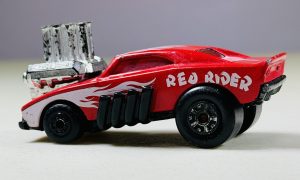
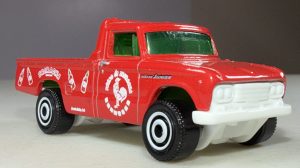
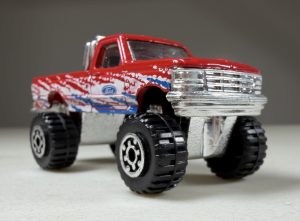
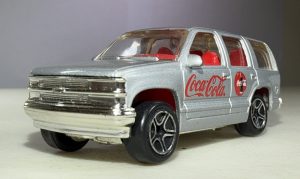
Matchbox Diecast Cars
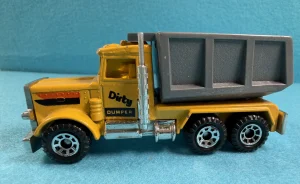
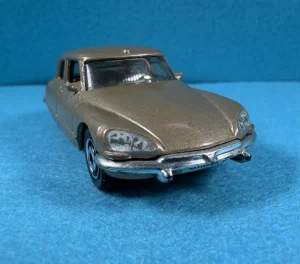
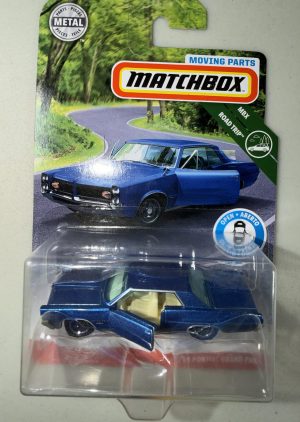
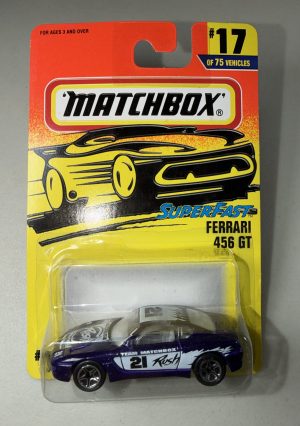
Matchbox started in a London basement in 1953 when Jack Odell built a tiny brass-cased steamroller small enough to fit in his daughter’s matchbox. That single piece launched a brand that would dominate the small-scale die-cast market for two decades before Mattel acquired it in 1997. Lesney Products in Hackney, England produced the original 1-75 series that defined the line, with regular wheels models running from 1953 through 1969 and Superfast releases taking over after Mattel’s Hot Wheels forced an industry-wide shift to low-friction axles. Today, Matchbox diecast cars hold a specific place in collector culture, valued for their build quality, accurate proportions, and connection to a slower era of toy manufacturing when each casting got individual attention. The catalog covers Lesney-era originals, Superfast transitional pieces from 1969 to 1982, modern Mattel productions, and specialty releases tied to licensed automotive brands.
Popular Matchbox Models
The Lesney Superfast Red Forklift Truck from 1972 England production pulls steady interest from collectors building themed industrial sets. Earlier regular wheels pieces from the 1-75 series command premium prices when found in original boxes, particularly the Models of Yesteryear range featuring vintage steam engines, horse-drawn carriages, and pre-war automobiles. Superfast era models from 1969 through the early 1980s offer affordable entry points for new collectors, with most pieces priced under $20 even in solid condition. Modern Mattel-produced Matchbox cars cover everything from current mainline releases to specialty themed packs featuring emergency vehicles, construction equipment, and licensed automotive replicas. Country of origin remains a key value indicator, with England-cast pieces typically commanding 30 to 50 percent more than later Macau, Thailand, or China productions of identical molds.
Why Collect Matchbox
The brand attracts a different collector personality than its main competitor. Where one company built its reputation on flashy colors and racing performance, the other focused on accurate reproduction of real-world vehicles, including farm equipment, commercial trucks, emergency response units, and working-class transport. That accuracy makes Matchbox collecting feel more like miniature documentary work and less like racing fantasy. Box collectors form a major sub-community, with original Lesney boxes from the 1950s and 60s sometimes worth more than the cars they housed. Pre-Superfast regular wheels pieces are the most stable long-term investment in the hobby, with values appreciating consistently for the past four decades. The build quality also appeals to display collectors because Lesney castings typically held finer detail and tighter tolerances than competing products from the same era.
Matchbox for Sale
Every Matchbox listing in the catalog includes verified production country, era classification, condition notes, and original packaging status when applicable. Lesney-era pieces get extra attention on wheel verification because regular wheels and Superfast versions of the same casting carry vastly different market values. Paint condition grading covers chip locations, decal integrity, and any restoration work that might affect collector value. Boxes get separate condition notes including flap intactness, end label clarity, and any tape repairs or writing on exterior surfaces. Pricing reflects realistic secondary market values pulled from completed sales data, not asking prices from speculative listings. Combined shipping discounts apply for multi-piece orders, free delivery activates at $40, and the standard 30-day return window covers any item that arrives different from its description.
Build Your Matchbox Collection
Maybe the goal is rebuilding a complete 1-75 regular wheels series, hunting Models of Yesteryear pieces in original Lesney boxes, or filling a display case with English-cast Superfast models from the early 1970s. Either way, the catalog carries something worth checking. Start with the full Matchbox category to browse current stock, or cross-reference with the Lesney collection for pre-1982 English production exclusively. Pre-WWI collectors might also want to check the Pre-WWI section for early lead and tin pieces from the same general era as Lesney’s earliest production. The full shop carries every active listing across all nine collecting categories. New inventory posts weekly, rare Lesney pieces move within days of listing, so check back often or sign up for first-look email alerts.